



Dr. Soaad Abdelhadi
Clinical Psychology Doctoral Intern (Supervisor: Dr. Carla Smith)


Phone

Specialties
Children, Adolescents, and Teens

Languages
English and Arabic
Consultation booking will be available once this profile is linked in admin.
Biography
Children and teens do not need to arrive at the clinic knowing what to say or how the process is supposed to work. I try to create a space where they can feel at ease, take their time, and begin in a way that feels comfortable and natural to them. Some connect through conversation, others through play. Some appreciate structure, while others need a little more freedom and space to find their own rhythm. Creativity, curiosity and humour, and the unexpected all have a place in the room.
I am a Clinical Psychology Intern completing the final year of my PhD in School and Applied Child Psychology at Western University. My clinical experience includes private practice, school psychology, community settings, and university-based clinical training at the Mary J. Wright Child and Youth Development Clinic. I also hold a PhD in Educational Psychology from Simon Fraser University, with a particular focus on learning disabilities.
I work with children, adolescents, and young adults with learning, developmental, emotional, and behavioural concerns. I provide psychological and psychoeducational assessments for concerns such as ADHD, autism, learning disabilities, intellectual and developmental difficulties, executive functioning and attention concerns, academic difficulties, anxiety, mood, and social-emotional or behavioural challenges.
In therapy, I support young people experiencing anxiety, difficulties managing emotions, behavioural concerns, low self-esteem, stress, adjustment challenges, social difficulties, and concerns related to ADHD and other neurodevelopmental differences.
For me, a diagnosis is only one part of the story. I am equally interested in what a child does well, what makes things harder, and what changes may make everyday life easier.
How do I approach my work?
I am flexible in how I approach therapy because children are wonderfully different from one another. I draw from evidence-based approaches including Cognitive Behavioural Therapy, Acceptance and Commitment Therapy, Dialectical Behaviour Therapy, and Parent-Child Interaction Therapy, along with behavioural, play-based, and emotion-regulation strategies.
Sometimes our work is structured and goal-focused. Other times it may involve drawing, playing, practising something together, or finding a way to talk about a difficult experience without making it feel quite so heavy. I also value working with parents, schools, and other professionals when that helps us understand the child more fully and build support beyond the therapy room.
What shaped the way I practise?
My background in learning disabilities, school psychology, and child development continues to shape how I understand children because learning, attention, emotions, behaviour, and mental health rarely exist in separate boxes.
For more than a decade, I have also worked with refugee and newcomer families navigating school and community systems. My current doctoral research focuses on the experiences of refugee families raising children with disabilities and how schools can better support them.
Across these experiences, I keep coming back to the same idea: the reason a child was referred tells me where to begin, but it never tells me everything about who they are.
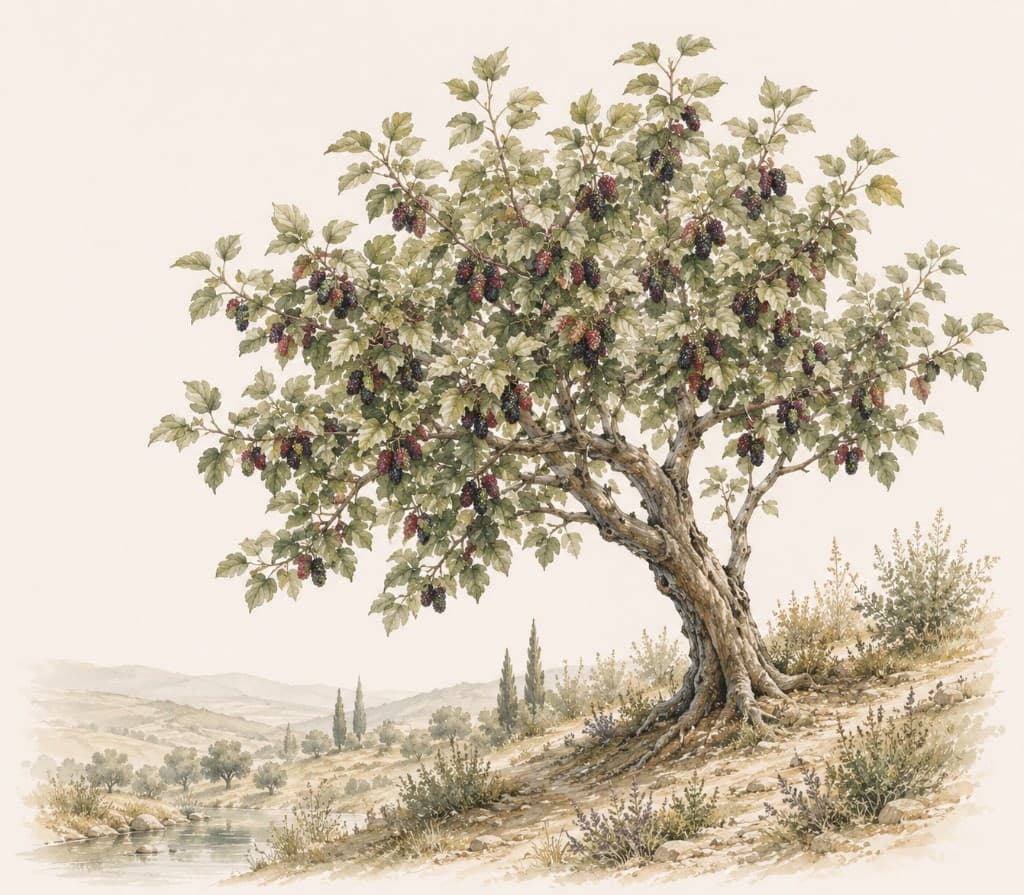

“When a child feels seen and understood, their strengths have room to grow.”

Why the Mulberry Tree?
The mulberry has wide, deep roots that help it grow in difficult places. I try to offer that same steadiness by showing up consistently and giving children and teens something solid to build on.
Its branches carry green, pink, red, and purple fruit at the same time, just as children grow in different ways and need different kinds of support.
Mulberries are also wonderfully messy, and sessions can be too. I am comfortable making room for play, creativity, and the unexpected. Green fruit is not behind. It is still growing, and with time and the right support, it can flourish in its own way.